
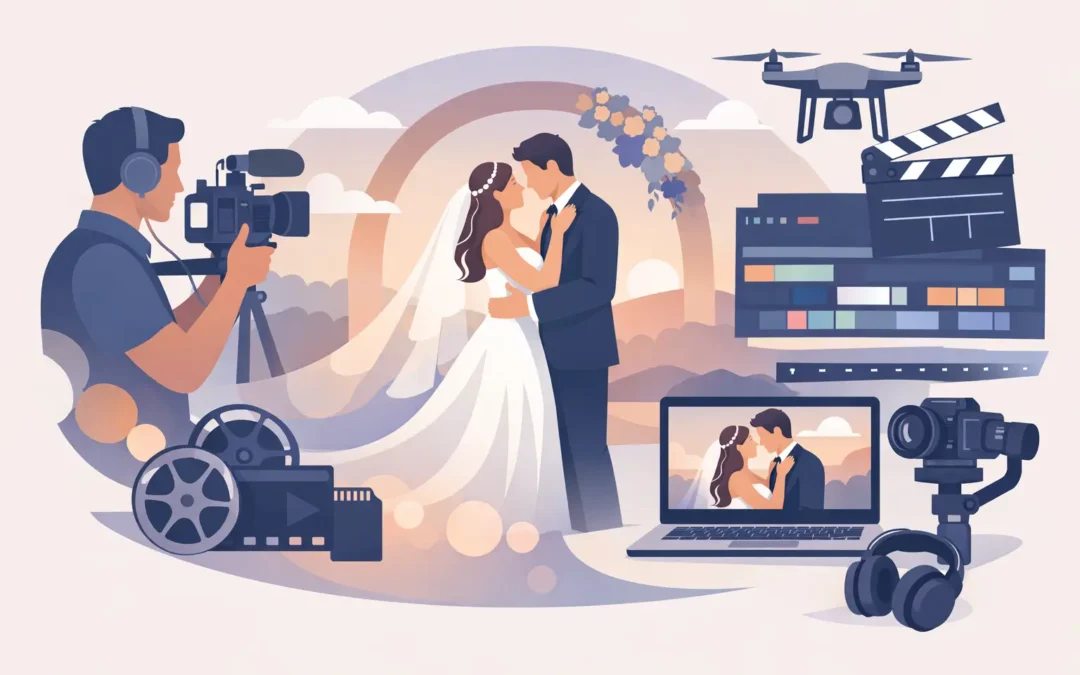
A champagne cork pops in the morning, your partner laughs during the vows, the dance floor turns gloriously chaotic after sunset – and somehow, the whole day is over in a flash. That is exactly why couples ask how cinematic wedding videography works. They are not just wondering what gets filmed. They want to know how a wedding film can feel so natural, so polished, and so full of real emotion without turning the day into a production.
The short answer is that cinematic wedding videography blends documentary coverage with thoughtful filmmaking. It captures genuine moments as they happen, then shapes them into a story through movement, sound, editing, pacing, and atmosphere. The result is not a simple record of events. It is a film that brings you back to the energy, emotion, and little in-between moments you would otherwise miss.
What cinematic wedding videography actually means
Cinematic does not mean your wedding day becomes heavily staged or overly dramatic. Done properly, it means the film has intention behind it. The framing is considered, the audio is clean, the camera movement is smooth, and the edit is crafted to feel elegant and immersive.
A traditional wedding video might focus mainly on documenting what happened from start to finish. A cinematic wedding film still covers the important parts, but it also pays attention to mood. The rustle of a dress, the sound of applause after the ceremony, the way your dad looks at you before he says anything – these details matter because they are part of how the day felt.
That is often the biggest difference couples notice. The film is not only about seeing the day again. It is about feeling it again.
How cinematic wedding videography works on the day
On the wedding day itself, the process is usually far more relaxed than couples expect. A good videographer is not there to take over. The job is to blend in, bring calm energy, and know when to step forward and when to hang back.
Coverage often starts in the morning preparations. This is where atmosphere begins to build. There is movement, anticipation, music in the background, messages being read, and all those little exchanges that set the tone. Rather than forcing constant direction, a cinematic approach looks for natural moments and films them in a flattering, thoughtful way.
During the ceremony, the focus shifts to quiet observation and strong audio capture. This part matters hugely. Beautiful visuals are only half the story. If the vows, reactions, readings, and applause are recorded well, the finished film has emotional depth that music alone cannot create.
Then the day opens up again. Drinks reception, hugs, confetti, speeches, portraits, room details, golden hour light, evening celebrations – every part contributes something different. Some moments need distance so they can unfold naturally. Others benefit from a bit of light guidance, especially if the couple want a few elegant shots together without spending ages away from guests.
That balance is where experience really shows. The best coverage feels effortless from the couple’s side, even though plenty of technical and creative decisions are being made behind the scenes.
The role of planning before the wedding
If you want to understand how cinematic wedding videography works, it helps to know that a lot of it starts before the camera even comes out.
Good wedding filmmaking is not just about reacting on the day. It is about preparation. That might include learning the timeline, understanding what matters most to the couple, checking key locations, discussing the tone of the day, and noting any personal details that could shape the story.
For some couples, the speeches are the emotional centre of the film. For others, it is the party, the family connections, or the overall vibe of the venue and season. Knowing that in advance helps the videographer make stronger choices throughout the day.
This stage also helps things feel more comfortable. When you already know the person filming you, or at least feel confident in their approach, it becomes much easier to relax and be yourselves. That is when the best footage happens.
Why sound matters more than most couples expect
One of the reasons cinematic wedding films feel so powerful is sound. Not just music, but real sound.
The spoken vows, the crack in someone’s voice during a speech, the cheers after your first kiss, the chatter and laughter between formal moments – these are often the parts that hit hardest years later. They place you back in the room in a way still images cannot.
This is why professional audio setup matters so much. It may involve discreet microphones, careful placement, and backup recording methods. Couples do not always see this side of the work, but they absolutely feel the difference in the final film.
Without strong audio, even beautiful footage can feel distant. With it, the story becomes personal and alive.
How the film becomes cinematic in the edit
The editing stage is where everything comes together. This is where hours of footage are shaped into something cohesive, emotionally engaging, and genuinely watchable.
A cinematic edit is not about throwing in every clip from the day. It is about selection and rhythm. The editor looks for moments that carry feeling, movement, connection, and narrative flow. They build around those moments using visuals, natural sound, music, and pacing.
A highlights film, for example, is usually designed to feel concise but emotionally rich. It may move between preparations, ceremony, speeches, and evening scenes in a way that tells the story smoothly rather than strictly in real time. This gives the film shape and momentum.
Longer edits can include fuller coverage of the ceremony and speeches, often with multi-camera angles, while still keeping that polished finish. Teaser films create a shorter burst of excitement. Drone footage can add scale and atmosphere, especially in the South West where venues and landscapes often deserve their own moment on screen.
This is also where colour grading matters. The aim is not to make everything look trendy for five minutes. It is to create a timeless finish with rich, natural tones that suit the setting, the light, and the feel of the day.
Does it all have to be posed?
Not at all. In fact, the best cinematic wedding films usually feel the least forced.
There may be a few guided moments, especially during a short couple session, but good direction is light-touch. It is less about asking you to perform and more about helping you move naturally, stand in the best light, or simply take a quiet minute together away from the crowd.
Everything else is often documentary at heart. Raw reactions. Real conversations. True movement. That is what gives the finished film warmth and honesty.
This matters because every couple is different. Some are completely confident in front of a camera. Others feel awkward at first. A relaxed filmmaker with a good read on people can make a huge difference here. The goal is never to make you act like someone else. It is to capture you at your best, without making the day feel staged.
What affects the final result
Not every cinematic wedding film looks or feels the same, and that is a good thing. The final result depends on several things: the light, the venue, the weather, the pace of the day, the personalities involved, and the amount of coverage booked.
A winter wedding in Somerset with candlelight and a live band will naturally feel different from a bright coastal celebration in Devon. A quiet, intimate ceremony creates a different rhythm from a packed party with huge energy from start to finish. Neither is better. They simply tell different stories.
Coverage choices matter too. More time, more angles, and fuller speech and ceremony filming give an editor more room to build a layered, immersive film. That is one reason premium videography is an investment. You are paying not only for the hours on the day, but for the planning, equipment, audio setup, creative judgement, and the many hours of careful editing afterwards.
At Smart Captures Wedding Films, that blend of relaxed documentary coverage and elegant cinematic editing is exactly what helps couples enjoy the day while still coming away with something beautifully crafted.
Why couples choose it over a standard video
Most couples who choose cinematic videography are not looking for a basic record. They want something they will actually come back to. Something that still feels special on your first anniversary, ten years later, or when you are showing family members who were too little to remember it.
Photography captures moments brilliantly. Film captures movement, voices, atmosphere, and timing. When it is done well, it preserves the emotional texture of the day in a completely different way.
That is why cinematic wedding videography appeals so strongly to couples planning stylish, meaningful weddings. It feels polished, but not stiff. Emotional, but not overdone. Luxurious, but still grounded in real moments.
If you are wondering whether it is worth it, the real question is often simpler. When the day has flown by, what do you want to be able to hold onto?
A good wedding film does more than show you what happened. It brings back the nerves, the laughter, the energy, and the people you love exactly as they were. And years from now, that feeling is usually the part that matters most.