
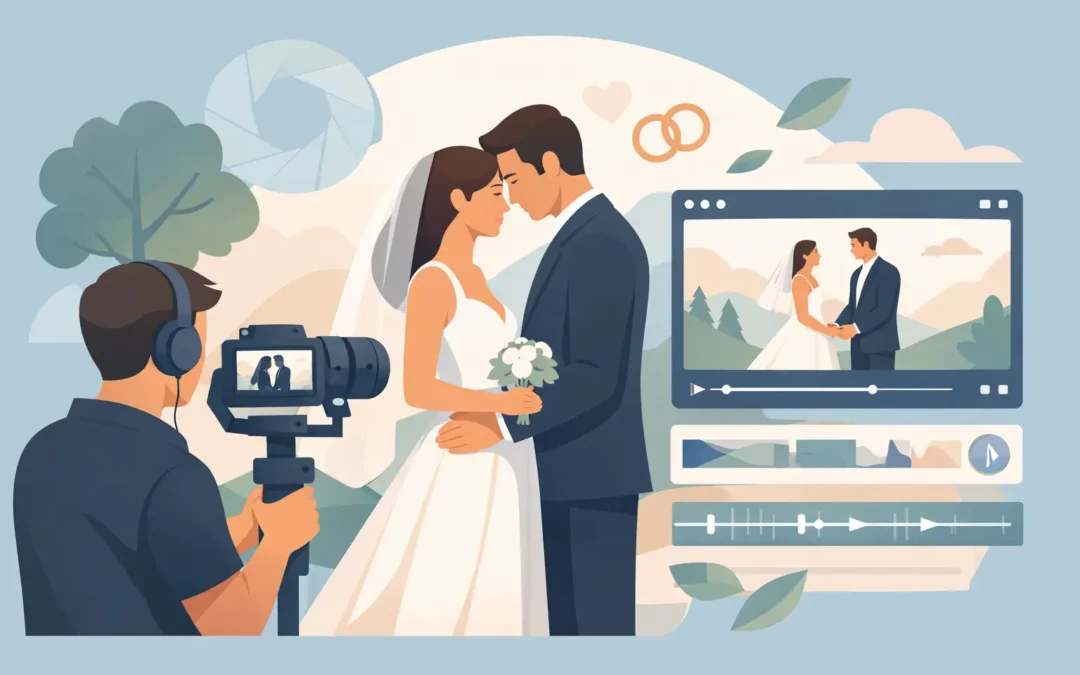
You can always spot the difference between a wedding film that feels real and one that feels overworked. One lets you hear the wobble in a speech, catch the squeeze of a hand, and relive the energy of the room exactly as it was. The other may look polished, but it never quite lands emotionally. If you’re wondering how to get natural wedding footage, the answer usually has less to do with acting for the camera and more to do with creating the right conditions for genuine moments to happen.
For most couples, that is the sweet spot. You want the film to feel cinematic and elevated, but still like you. Not a performance. Not a sequence of awkward poses. Just the atmosphere, emotion and movement of the day captured with taste.
How to get natural wedding footage starts before the wedding
Natural footage is not something that magically appears on the day. It starts with choices you make while planning. The pace of the day, the people around you, and the way your coverage is handled all affect how relaxed you feel on camera.
One of the biggest factors is time. If your morning is crammed, your ceremony runs tight, and portraits are squeezed into ten frantic minutes before dinner, everything starts to feel rushed. That pressure shows on film. A calmer timeline gives space for real interactions, proper breathing room, and those lovely in-between moments that often become favourites in the final edit.
It also helps to think about what you actually want your film to preserve. Some couples care most about the vows and speeches. Others want the laughter during bridal prep, hugs with grandparents, confetti chaos, dance floor energy, or the sound of guests reacting during the ceremony. When you are clear on what matters emotionally, your videographer can film with intention rather than chasing random clips.
Choose a videographer who puts people at ease
This is probably the most important part. If you want natural wedding footage, you need someone who knows how to blend in when needed and step in with confidence when a little direction helps.
A good wedding filmmaker is not just operating cameras. They are reading the room. They know when to hang back and let a moment unfold, and when to gently guide you into better light without making things feel staged. That balance is where the magic tends to happen.
Style matters here too. Documentary-led coverage is often the best fit for couples who do not want to spend the day performing. That does not mean the film will look plain. Quite the opposite. The strongest documentary wedding films still feel cinematic, but the beauty comes from real moments, thoughtful composition and smart editing rather than constant posing.
Personality matters just as much as portfolio. If your videographer brings calm energy, is easy to chat to, and feels like someone you would happily have around during intimate parts of the day, you are far more likely to relax. That comfort comes through in every frame.
Let the day breathe a bit
Many couples worry that natural means unplanned. It does not. The best results often come from a well-organised day that still leaves room for spontaneity.
Build in a little margin around key parts of the schedule. Give yourself enough time to get dressed without panic. Avoid packing every minute with movement between locations. Leave space after the ceremony for hugs and reactions rather than being rushed straight into the next thing. Those unscripted pockets are where some of the most emotionally rich footage lives.
The same goes for couple portraits. You do not need to disappear for ages to get beautiful footage. In fact, shorter sessions often feel better. A relaxed ten or fifteen minutes at the right time can produce something far more natural than dragging portraits out until they start to feel forced. Golden hour is lovely when it works, but not at the expense of enjoying your guests. It always depends on the flow of your day.
Forget performing and focus on each other
This sounds simple, but it changes everything. The camera picks up self-consciousness very quickly. The more you think about whether you look natural, the less natural you tend to feel.
Instead of trying to do something with your hands or wondering where to look, come back to each other. Talk. Laugh. Walk slowly. Hold hands. Take a second to actually notice what is happening around you. If your videographer gives a prompt, it should feel more like an invitation than a script.
The best direction is usually very light. Rather than asking you to repeat a moment over and over, a great filmmaker may simply place you somewhere flattering, then let the interaction happen. That keeps the footage elegant without losing the honesty of it.
Think carefully about your morning environment
Prep footage sets the emotional tone for the film, so it is worth getting this part right. If the room is cluttered, dark and full of stress, it can feel hectic on camera. If it is bright, calm and full of good energy, the footage instantly feels more elevated.
You do not need perfection. Real life is part of the story. But a tidy space, natural light and a little breathing room make a difference. It also helps to keep the number of people in the room manageable. Too many bodies, bags and background conversations can make everything feel noisier than it needs to.
Music can help, and so can choosing the right people to be around you. If you spend the morning with people who make you feel grounded and happy, that atmosphere comes through beautifully. Natural footage is not just about visuals. It is about mood.
Audio is a huge part of what makes footage feel real
When couples say they want a wedding film that feels authentic, they are often reacting to more than the image. They are thinking about hearing vows in your own voices, the crack in a parent’s speech, cheering after the ceremony, and the sound of the room during the party.
Great audio adds emotional weight and memory in a way visuals alone cannot. That is why professional coverage matters. Cleanly recorded vows, speeches and ambient sound make the film feel immersive rather than generic.
This is especially important if you want your wedding film to age well. Trends in editing come and go, but hearing your people exactly as they were will never stop mattering.
Trust the process on the day
One of the quickest ways to make footage feel stiff is to keep checking whether everything is being filmed. If you have chosen your videographer well, let them do their thing.
Trust creates ease, and ease looks good on camera. You do not need to keep smiling at the lens or wondering where the videographer is standing. In fact, some of the most gorgeous clips happen when couples forget the camera is there altogether.
There is a balance, of course. If there is something especially meaningful planned – a gift exchange, a private letter reading, a surprise performance – tell your videographer in advance. Natural does not mean uncommunicated. It means allowing real moments to happen while making sure the right person is ready to capture them.
How to get natural wedding footage without losing the cinematic feel
This is the part many couples are really asking about. They want footage that feels authentic, but they also want it to look beautiful and timeless.
The good news is you do not have to choose. Natural and cinematic are not opposites. The strongest wedding films combine honest moments with thoughtful framing, flattering light, elegant movement and careful editing. You can have the energy of a real celebration and the finish of a premium film.
What usually gets in the way is over-direction. When everything is too choreographed, the footage may look polished for a moment, but it can lose warmth. On the other hand, if there is no guidance at all, you may miss chances to make the most of the setting, the light and the pace of the day. The sweet spot is a filmmaker who knows how to shape a moment without flattening it.
That is where experience counts. At Smart Captures Wedding Films, the approach is very much about keeping things relaxed while still creating something cinematic and emotionally rich. Couples should feel like they are living the day, not stopping it every five minutes.
The real goal is not to look natural
It is to feel comfortable enough that the film tells the truth about your day. Not every moment will be perfectly poised, and that is part of the charm. A loose laugh, wind in the veil, happy tears mid-sentence, everyone piling onto the dance floor a bit too early – these are often the details that make the finished film feel alive.
So if you are planning your wedding and wondering how to get natural wedding footage, start by protecting the experience itself. Choose people you trust. Keep the timeline kind. Leave room for real life. Then let the day unfold.
Years from now, you will not be looking for proof that you posed well. You will want to feel the atmosphere again, hear the voices, and recognise yourselves in every frame.